Monthly Archives: July 2012

Dr. Michael Webber Hot Science – Cool Talks on the Longhorn Network

Commander Ben and Dr. Michael Webber at the KLRU television studios at UT Austin

Last month, I had a chance to attend Dr. Michael Webber’s Hot Science – Cool Talks lecture, “From Fracking to the 40 Acres: Energy Challenges for UT, Texas and the World”, in person at the KLRU television studios on the UT Austin campus.

Dr. Webber is the Co-Director of the Clean Energy Incubator at the Austin Technology Incubator, and he is also an Assistant Professor of Mechanical Engineering at UT Austin. KLRU is our Austin, Texas, PBS station where I’ve seen many Nova and Nature television programs.

I missed Dr. Webber’s presentation earlier this year when he gave it as part of the Spring 2012 lecture series, since I was in Washington D.C. getting the Invasive Hunter Academy ready for Kids’ Day during National Invasive Species Awareness Week (NISAW). So I was glad that I got this second chance to see his presentation in person.

The KLRU studio is cool, mostly painted black for the TV background. Someone said that they used to film Austin City Limits, a music program, here.

We could sit in the raised seats or on seats set up on the floor. I wanted to sit in the floor area, as close as I could to the front, so I could see his presentation clearly.

During his presentation he talked about natural gas, wind, and solar as being clean energies for the future. He also talked about biofuels, such as corn. The downside is that corn used for fuel can’t be used for food, and that may drive food prices up.

Horizontal drilling and hydraulic fracturing

Dr. Webber also talked about fracking where companies drill far down and then sideways. They blast the shale rock and force a sand and liquid solution down to help release the natural gas out of the cracked rocks. They make a protective covering around the tube to try to keep fluids from leaching out into the surrounding land or aquifers. Fracking helps us get natural gas from areas where we could not before, and Texas is a great producer of natural gas for clean energy.

Learn more about future energies from Dr. Webber’s presentation

You can see Dr. Webber’s presentation on the Longhorn Network on Monday, July 9, at 8:00 p.m. and 10:00 p.m. CT.

If you don’t have the Longhorn Network, watch a replay of his From Fracking to the 40 Acres webcast and Hot Science – Cool Talks presentation.

Fall 2012 Hot Science – Cool Talks presentations

I can’t wait to attend the Fall 2012 Hot Science – Cool Talks in person. They’ll be in the new Student Activity Center.

I liked them in Welch Hall because it felt very scientific, and I really liked the periodic tables on the wall, but having them in the center is hip too. That’s where
Dr. Andrew Howell gave his Hot Science – Cool Talks lecture in January.

Hope to see you there!

Your friend,
Ben
1 Comment

Filed under Austin Technology Incubator, Biofuel, Clean energy, Clean Energy Incubator, Dr. Michael Webber, Fracking, Hot Science - Cool Talks, Hydraulic fracturing, KLRU, Longhorn Network, Natural gas, University of Texas, UT Austin

The Amazing Invasive Hunter Man

An accidental encounter with a plant grafting experiment transforms a geeky biology student into the Invasive Hunter, a hero to the ecosystem’s native species.

The Invasive Hunter returns to battle King Ranch Bluestem (KR Bluestem), an invasive species overrunning roadsides and fields and stealing lunch money. His powers, however, do not go unnoticed by his cranky professor.

This video is part of Commander Ben’s “Battles with Invasive Species” video series.

Learn more about the plants talked about in this video:

And don’t miss seeing your friendly neighborhood spider-man at the movies too!

Your friend,
Ben

1 Comment

Filed under Battles with Invasive Species, Giant Reed, Grafting, Invasive Hunter, Invasive Species, King Ranch Bluestem, KR Bluestem, Spider-man, Texas Bluebonnets, Texas Live Oak, Texas Mountain Laurel

Invasive Hunter Academy Helps Kids Learn About Invasive Species

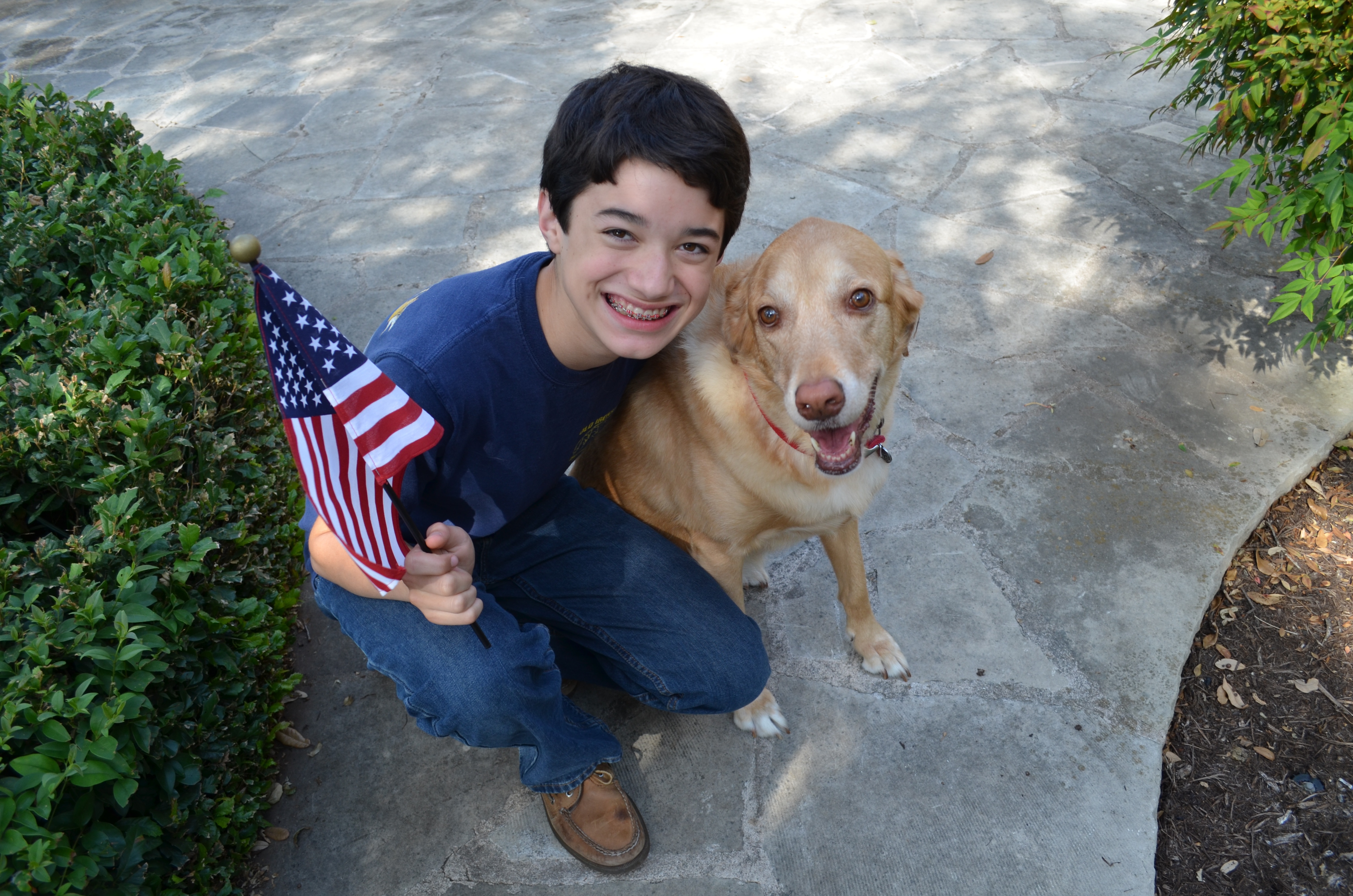
Happy Independence Day from me and my dog, Obi-wan!

I’m looking forward to meeting kids, families, and everyone who loves nature at the Invasive Hunter Academy tomorrow during Nature Nights at the Lady Bird Johnson Wildflower Center. This free event on Thursday, July 5, at 6:00 p.m. focuses on the “Power of Plants”.

I can’t wait to teach kids of all ages about invasive species, the problems that they cause, and what you can do about them. Learn cool combat moves and create an action diorama to take home with you.

Check out the other fun activities during the evening too:

  • Take a special behind the scenes tour of the seed lab herbarium and nursery
  • Learn about edible native plants and make rope and tools using plants
  • Hear about traditional uses of local native plants from Mark Blumenthal, Founder and Executive Director of the American Botanical Council
  • Hike the Wildflower Center gardens with experts, including Ellen Zimmerman with the Austin School of Herbal Studies, botanist Flo Oxley, and Native Plant Society of Texas members, who will teach you about how native plants can be used as medicines
  • Go on a garden scavenger hunt and make seed balls with Master Naturalists
  • Create a paper version of the Venus flytrap using recycled materials with the Teenage Ecowarriors

So be sure to come to Nature Nights and join the elite ranks of the Invasive Hunters! I can’t wait to see you tomorrow!

Your friend,
Ben

Leave a comment

Filed under American Botanical Council, Austin School of Herbal Studies, Invasive Hunter, Invasive Hunter Academy, Invasive Species, Lady Bird Johnson Wildflower Center, Master naturalist, Native Plant Society of Texas, Nature Nights, Power of Plants, Wildflower center

Jessica Strickland talks at the Invasive Species Workshop for Citizen Scientists

Ms. Jessica Strickland talks about her background with invasive species during the Invasive Species Workshop for Citizen Scientists in June 2012.  Ms. Strickland is the Invasive Species Program Manager at the Lady Bird Johnson Wildflower Center in Austin, Texas.

Before she joined the Wildflower Center in February 2012, she worked with American Rivers on watershed protection, fish habitat, and water conservation.

She studied the invasive species Armored Catfish (Loricariidae) during snorkeling surveys.  Watch the video to find out which invasive plant species she finds the most threatening to our Texas waterways.

This video is part of my “Invasive Species: Secrets Revealed” series of interviews with scientists that I first started at the 2011 Texas Invasive Plant and Pest Conference.

Learn how to become a citizen scientist

Your friend,
Ben

Leave a comment

Filed under American Rivers, Armored Catfish, Citizen Scientist, Giant Reed, Giant Salvinia, Hydrilla, Invaders of Texas, Invaders of Texas Citizen Science Program, Invasive Species, Invasive Species Workshop, Invasive Species: Secrets Revealed, Jessica Strickland, Lady Bird Johnson Wildflower Center, Wildflower center

Hummingbirds and Bees as Pollinators and the Threat of Colony Collapse Disorder

At last week’s Nature Nights at the Lady Bird Johnson Wildflower Center, I was delighted to meet Ms. Becky Ruppel, who has done graduate work in biology and is a volunteer at the Wildflower Center.

She also studied the Yellow Toadflax (Linaria vulgaris), an invasive species from the Mediterranean that threatens the native diversity and rangeland in Colorado.

Hummingbirds see red

Ms. Ruppel talked with me about how important pollinators are to our ecosystem to help plants reproduce. Pollinators include bees, butterflies, moths, and hummingbirds.

Hummingbirds can see red, and that’s why they are attracted to plants with red flowers, such as Turk’s Cap (Malvaviscus arboreus var. drummondii).

When hummingbirds go to feed on nectar, the pollen from the male part of the flower (the anther) collects on their bills. When they fly over to feed with another flower, they pass the pollen to the female part of the flower (the pistil) as part of the pollination process to help the flower form a seed.

Colony collapse disorder (CCD)

We also talked about colony collapse disorder. A few years ago, I saw a PBS Nature program, Silence of the Bees, about this tragedy affecting our honey bees who are pollinators and that live in colonies.

Beginning in 2006, for some unknown reason, honey bees from entire hives began to disappear. They just get sick and fly off to die. Since bees are a major pollinator, this puts many of our plants, especially our food crops, at risk.

Ms. Ruppel mentioned some of the factors scientists think might be causing it, such as pesticides, diseases, or mites, but she said that they haven’t been able to pinpoint one cause and be able to treat it yet. CCD may be due to many factors.

If honey bees are in decline, she said that our native solitary bees may be able to take their place as pollinators, such as mason bees. Landowners could leave areas of their property in a natural state and place ground features such as pieces of wood to help encourage the mason bees to make their homes there.

I hope they are able to help our honeybees soon!

Nature Nights: Power of Plants coming this week

Don’t forget that I’m bringing my Invasive Hunter Academy to the Lady Bird Johnson Wildflower Center as part of Nature Nights on Thursday, July 5, at 6:00 p.m.  Bring your entire family to this free event and learn more about the Power of Plants!

Your friend,
Ben

Leave a comment

Filed under Bees, Colony Collapse Disorder, Hummingbirds, Lady Bird Johnson Wildflower Center, Mason Bees, Ms. Becky Ruppel, Nature Nights, Pollination, Power of Plants, Wildflower center, Yellow Toadflax